
Benazir Kafaalat Payment Schedule 2026 – Complete Guide for Beneficiaries
The Benazir Income Support Programme continues to play a vital role in supporting financially vulnerable households across Pakistan. Under this umbrella, the Benazir Kafaalat Program specifically focuses on empowering women by providing them with consistent financial assistance. As 2026 unfolds, understanding the Benazir Kafaalat Payment Schedule 2026 has become increasingly important for beneficiaries who depend on these quarterly payments for their daily survival and long-term financial planning. This guide provides a detailed, accurate, and user-focused overview aligned with Google EEAT (Experience, Expertise, Authoritativeness, Trustworthiness) standards, ensuring that readers receive reliable and practical information.
Overview of Benazir Kafaalat Program 2026
The Benazir Kafaalat Program is a flagship initiative designed to uplift women from low-income families by offering them direct financial support. Unlike general welfare schemes, this program specifically targets women who are either the primary earners or belong to economically disadvantaged households. The purpose is not only to provide financial aid but also to promote financial inclusion, independence, and dignity among women.
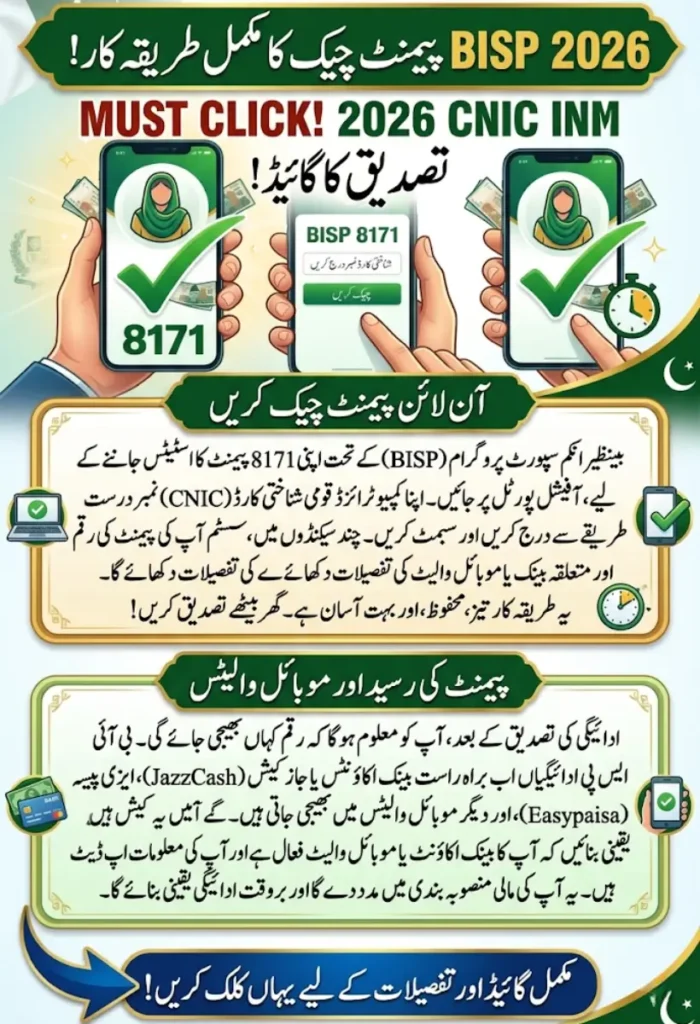
In 2026, the program continues to expand its outreach, incorporating improved verification systems and digital payment solutions. Beneficiaries are selected through a transparent process that includes socio-economic surveys, CNIC verification, and eligibility scoring systems. Once approved, recipients receive regular quarterly payments, which serve as a crucial source of income for meeting essential needs such as food, healthcare, children’s education, and utility expenses.
The importance of this program goes beyond financial assistance. It helps stabilize families who are at risk of falling into extreme poverty. By placing funds directly in the hands of women, the program ensures that money is spent more responsibly on household priorities. Over time, this approach contributes to better health outcomes, improved school attendance, and overall social upliftment.
Table of Contents
Additionally, the government has introduced multiple payment channels to enhance accessibility. Beneficiaries can now receive payments through banks, biometric verification centers, and digital wallets, reducing dependency on middlemen and ensuring transparency. This modernization aligns with global best practices in social protection systems.
Why the 2026 Payment Schedule is Important
Understanding the Benazir Kafaalat Payment Schedule 2026 is essential for beneficiaries who rely heavily on these funds. For many families, this quarterly payment is not just assistance—it is a lifeline that determines how they manage their expenses throughout the year. Without clear knowledge of payment timelines, households may face financial uncertainty, delayed bill payments, or difficulty in planning essential purchases.
The government typically releases payments in four quarterly installments, ensuring a steady flow of financial support. This structured schedule allows beneficiaries to plan their budgets effectively. For example, families can allocate funds for school fees at the start of a quarter, manage grocery expenses monthly, and save a small portion for emergencies. Having predictable payment cycles also reduces stress and prevents reliance on high-interest loans or informal borrowing.
Another key reason why the schedule matters is transparency. By clearly communicating payment timelines, the program builds trust among beneficiaries and minimizes confusion or misinformation. Many recipients, especially those in rural areas, depend on official announcements or SMS notifications to stay updated. Therefore, awareness of expected payment months helps them avoid unnecessary visits to payment centers, saving both time and travel costs.
Furthermore, the 2026 schedule reflects improvements in administrative efficiency. The government is working towards minimizing delays and ensuring timely disbursement, even during public holidays or unforeseen circumstances. However, slight variations may still occur due to operational factors. This is why beneficiaries are advised to regularly check updates through official channels such as the 8171 SMS service or designated program offices.
In essence, knowing the payment schedule empowers beneficiaries. It allows them to take control of their finances, make informed decisions, and maintain stability in their daily lives. This proactive approach is a key step toward long-term economic resilience.
Expected Quarterly Payment Schedule for 2026
The Benazir Kafaalat payments for 2026 are expected to follow a quarterly distribution pattern. While exact dates may vary slightly depending on administrative processes, public holidays, or regional factors, the general schedule remains consistent each year. Below is a detailed breakdown of the expected payment periods:
1. First Quarter (January – March)
This installment is usually released at the beginning of the year and helps families recover from year-end expenses. It is particularly important for managing winter-related costs such as heating, medical needs, and school admissions.
2. Second Quarter (April – June)
The second payment often coincides with rising temperatures and increased household expenses. For many families, this installment is crucial for managing utility bills and preparing for seasonal changes.
3. Third Quarter (July – September)
This period typically aligns with the academic calendar, making it essential for covering educational expenses such as books, uniforms, and school fees. It also supports families during monsoon-related challenges.
4. Fourth Quarter (October – December)
The final installment of the year helps households prepare for winter and manage year-end financial obligations. It also provides an opportunity for families to save or invest in small household improvements.
Beneficiaries should note that exact payment dates are officially announced closer to the disbursement period. It is highly recommended to verify updates through official sources rather than relying on unofficial information circulating on social media.
Payment Methods and Distribution Channels
To ensure accessibility and transparency, the government has introduced multiple payment methods under the Benazir Kafaalat Program. These methods are designed to cater to beneficiaries across urban and rural areas, making it easier for everyone to receive their funds securely.
1. Bank Payments
Many beneficiaries receive their payments through designated banks. This method provides a secure and reliable way to access funds, especially for those living in urban areas.
2. Biometric Verification Centers
Biometric systems ensure that payments are delivered to the rightful recipients. Beneficiaries must verify their identity using fingerprints before receiving funds, reducing the risk of fraud.
3. Mobile Wallets and Digital Transfers
Digital payment solutions are becoming increasingly popular. Mobile wallets allow beneficiaries to receive and withdraw money conveniently, even in remote locations.
4. Payment Camps and Local Centers
In some areas, temporary payment camps are set up to facilitate distribution. These centers are particularly helpful for individuals who do not have access to banking services.
Each method is designed to minimize inconvenience and ensure that payments reach beneficiaries without delays. The introduction of digital solutions also reflects the government’s commitment to modernization and financial inclusion.
Eligibility Criteria for Benazir Kafaalat 2026
Eligibility for the program is determined through a transparent and data-driven process. The primary focus is on supporting low-income families and vulnerable women. Key eligibility factors include:
- Household income level below the defined threshold
- Valid CNIC issued by the government
- Inclusion in the National Socio-Economic Registry (NSER)
- Priority given to widows, divorced women, and women with no stable income source
The verification process ensures that assistance is provided to those who genuinely need it. Once approved, beneficiaries are enrolled in the program and become eligible for quarterly payments.
Important Tips for Beneficiaries
To ensure smooth payment collection and avoid any issues, beneficiaries should follow these practical tips:
- Keep your CNIC and registration details updated
- Regularly check official announcements and SMS alerts
- Avoid sharing personal information with unauthorized individuals
- Visit only authorized payment centers
Staying informed and organized can significantly reduce the chances of delays or complications.
Planning for Financial Stability in 2026
The Benazir Kafaalat Payment Schedule 2026 is more than just a timeline—it is a crucial tool for financial planning and stability. By understanding the payment structure, eligibility criteria, and distribution methods, beneficiaries can make informed decisions and manage their household expenses effectively.
This program continues to serve as a lifeline for millions of families across Pakistan. With improved systems, transparent processes, and a commitment to timely payments, it plays a significant role in reducing poverty and empowering women.
Benazir Kafaalat Program 2026 – Complete Guide, FAQs & Payment Schedule
About Benazir Kafaalat Program
The Benazir Income Support Programme runs the Benazir Kafaalat Program, providing financial support to women from low-income households. This initiative targets women who are the main earners or belong to vulnerable communities. Payments are made quarterly and aim to:
- Support essential household needs like food, healthcare, and education
- Promote financial stability for low-income families
- Empower women by providing direct financial assistance
The program ensures secure and timely disbursement through banks, mobile wallets, post offices, and biometric verification centers.
Benazir Kafaalat 2026 Payment Schedule
| Quarter | Months | Purpose |
|---|---|---|
| Q1 | Jan – Mar | Winter expenses, school fees |
| Q2 | Apr – Jun | Utility bills, household management |
| Q3 | Jul – Sep | Monsoon-related costs, school necessities |
| Q4 | Oct – Dec | Winter preparation, year-end planning |
Note: Dates may vary; beneficiaries should confirm at local centers or official announcements.
Payment Methods
- Bank Payments – Direct transfer to bank accounts
- Biometric Verification Centers – Ensure funds go to the rightful recipient
- Mobile Wallets / Digital Transfers – Convenient for remote areas
- Payment Camps / Local Centers – Temporary centers for rural beneficiaries
Eligibility Criteria
To receive payments, applicants must:
- Belong to a low-income household
- Have a valid CNIC
- Be registered in the National Socio-Economic Registry (NSER)
- Priority given to widows, divorced women, and women with no stable income
FAQs – Benazir Kafaalat 2026
Q1: Who can receive Benazir Kafaalat payments?
A: Women from low-income households, especially those responsible for supporting families, widows, divorced women, or women without stable income.
Q2: How often are payments made?
A: Payments are made quarterly (four times a year) according to the schedule: Jan–Mar, Apr–Jun, Jul–Sep, Oct–Dec.
Q3: How can I receive my payment?
A: Payments are distributed through banks, mobile wallets, biometric centers, and local payment camps.
Q4: Can I check my payment status?
A: Yes. Beneficiaries can verify through official SMS alerts, bank notifications, or by visiting local payment centers.
Q5: What documents are required?
A: CNIC, program registration details, and verification documents as requested by local authorities.
Q6: What if my payment is delayed?
A: Delays may occur due to public holidays or system updates. Contact your local payment center or check official announcements for updates.
Q7: How does the government ensure transparency?
A: Payments are verified using CNIC, biometric data, and the National Socio-Economic Registry (NSER).
News Update – March 2026
“Government Confirms Benazir Kafaalat 2026 Payment Schedule”
The government of Pakistan has announced the Benazir Kafaalat quarterly payment schedule for 2026, emphasizing timely support for women in low-income families. Officials stated that payments will be distributed securely via banks, mobile wallets, and biometric verification systems. Beneficiaries are urged to confirm dates through local centers and SMS notifications.